Mike’s SaaS Musings
3/25/2026 – Mike
SaaS has some sharp edges especially if you haven’t lived inside one before. I figured I’d share a few hard-earned lessons from over 15 years running SaaS companies. Think of these as Mike’s Musings on SaaS, offered in the spirit of “things I wish someone had drilled into me earlier.”
1. Just because it’s software doesn’t mean the specs should keep changing
One of the biggest SaaS traps is thinking, “We can always change it later.” You can — but constant spec changes destroy momentum.
Pick a clear target, ship it, learn from real usage, and iterate deliberately. MVP is a discipline, not a vibe.
2. Resist the urge to do one-offs for customers
This one is deceptively dangerous.
A customer asks for a “small tweak,” you want to be helpful, and suddenly you’re maintaining a feature that only one person uses — forever. One-offs feel like revenue in the moment, but they quietly become product debt.
A good filter: “If this customer disappeared tomorrow, would we still want this feature?”
If the answer is no, it’s probably not a SaaS feature — it’s a services project.
3. Support isn’t a cost center — it’s retention
In SaaS, great support keeps customers paying while the product matures.
Fast responses, clear explanations, and empathy matter more than fancy features early on. If users feel heard, they’ll forgive a lot. If they feel ignored, they’ll churn quietly.
4. Onboarding is the product
Most churn is born in the first few hours or days.
Your goal should be: “How fast can someone get meaningful value?”
Templates, defaults, sample inventory, guided steps — all of that is product, not fluff.
If onboarding is confusing, no amount of future brilliance will save you. At each stage of the process think about how you can remove friction.
5. If you’re SaaS, the software has to be owned in-house
This is a strong opinion, but I believe it deeply.
Running a SaaS business while outsourcing all development is like running a restaurant while outsourcing the kitchen. You can start that way — but long term, the ability to ship, fix, and evolve quickly is the business.
Owning your code and release cadence is your competitive advantage.
6. Every layer of complexity is a tax
Be very intentional about the interface and permissions model.
Multiple user roles, advanced authentication, sharing between users — all powerful ideas, but each one multiplies development time, testing, support, and future changes.
Simple beats clever. Add complexity only when real pain demands it.
7. Reporting can become your secret weapon
Don’t treat reporting as an afterthought.
If you’re helping stores price and manage inventory, the data you collect compounds over time. Start gathering it on day one — even if the reports come later.
Everyone can export a CSV. Fewer products can say, “Here’s what actually sells fastest at these price points.”
8. Pricing should be simple and aligned with value
Keep pricing easy to understand and tied to something customers already think about: number of items, locations, users, or monthly volume.
Avoid pricing that feels like it punishes success. Growth should feel good for both of you.
Two or three tiers is usually plenty at the start.
Final thought
SaaS is a long game. The winners aren’t the ones with the fanciest demos — they’re the ones who stay alive long enough for onboarding, retention, and referrals to compound.
Sources:
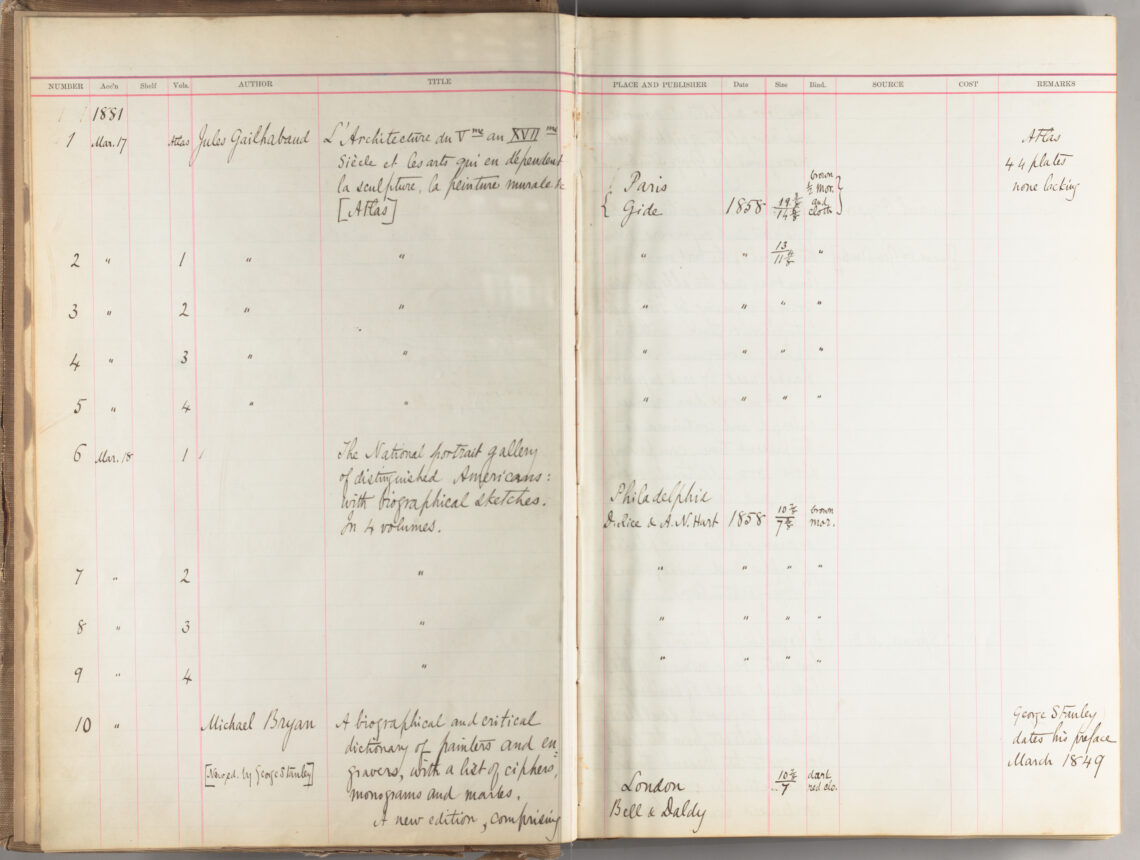
Image Source: The Met Collection.
Title: Metropolitan Museum of Art Library accession books, 1881-1969
Date: 1881-1969
Medium: 16 Volumes